Washi: A Practical Guide for Artists, Business, and Home
Running your fingers over a sheet of Washi, you immediately notice the difference. It has a warmth, texture, and structural integrity that modern wood-pulp paper simply cannot replicate. Born from a centuries-old Japanese tradition, Washi (literally "Japanese paper") was historically used for everything from sliding doors to official documents. Today, it has found a diverse global audience. But because Washi is not a single product, understanding its specific types and qualities is the key to unlocking its potential, whether you are painting a watercolor, branding a product, or simply organizing your desk.
What Exactly Is Washi?
Washi is paper made from the long, strong fibers of specific plants, primarily kozo (mulberry), mitsumata, and gampi. Unlike standard paper, which relies on short wood fibers that can become brittle and yellow over time, Washi fibers are remarkably durable. This unique structure gives Washi its characteristic translucence, strength, and ability to withstand moisture. The result is a material that feels alive in the hands, shifting between delicate and surprisingly tough depending on how it is crafted.
For Creators and Makers: When Material Defines Technique
If you are an artist, your choice of paper is as important as your choice of brush or ink. Different types of Washi serve distinctly different creative purposes.
The Watercolorist and Sumi-e Painter
For those working in wet media, high-quality kozo Washi is a game-changer. Its long fibers allow the paper to be saturated, stretched, and worked without pilling or disintegrating. You can apply multiple washes, scrub areas, and still retain a pristine surface. For sumi-e (ink brush painting), the fiber structure interacts with the ink to create soft, bleeding edges that are nearly impossible to achieve on cotton paper. The priority here is quality and flexibility—you are paying for a surface that performs under extreme conditions.
The Printmaker and Bookbinder
Printmakers value Washi for its tensile strength. When running through a press or being handled during screen printing, standard paper can tear. Washi, particularly gampi paper, offers a hard, smooth surface that captures fine detail without breaking down. In chine-collé, thin layers of Washi are used to add color and texture to an etching. For bookbinders, using Washi for endpapers or hinges adds structural longevity to a volume that will be handled for decades.
The Hobbyist and Crafter
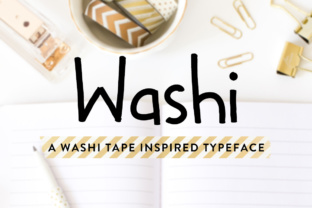
You do not need a professional studio to enjoy Washi. Machine-made decorative Washi sheets are affordable and perfect for origami, card making, and collage. The gateway product for most beginners is Washi tape. This masking tape made from Washi fibers has a gentle, repositionable adhesive. A hobbyist can use it to decorate a journal, seal a gift, or create a habit tracker on a wall. The ease of use and low cost make it an ideal starting point.
For Business Owners and Marketers: Packaging as a Brand Ambassador
In a world dominated by unboxing videos and social media, your packaging is often the first physical interaction a customer has with your brand. Washi communicates something that plastic and standard cardstock cannot: intentionality and craftsmanship.
Product Labels and Stationery
A small skincare company might use textured Washi labels to convey "natural" and "premium" without saying a word. Unlike glossy synthetic labels, Washi feels organic on a glass bottle. For an independent publisher or a stationery designer, using Washi for note cards or limited-edition prints signals presentation and attention to detail. It instantly elevates a product from commodity to keepsake.
Events and Hospitality
Event planners and wedding coordinators often turn to Washi for invitations. The translucent quality of the paper allows for layered designs that play with light. A boutique hotel might use Washi in room signage or menu covers to reinforce a design aesthetic rooted in simplicity and nature. For these professionals, the commercial value lies in uniqueness—Washi helps a brand stand out in a crowded marketplace.
For Educators and Lifelong Learners: A Tangible Lesson in Craft
Washi is a powerful teaching tool. It bridges art, history, science, and culture in a single material.
The Classroom and the Workshop
An art teacher can use a Washi-making workshop to explain fiber chemistry and the history of global trade. Students gain a tactile understanding of how material properties are shaped by processing. A history teacher can use Washi documents to discuss preservation and the fragility of knowledge. The learning value is immense because the activity is hands-on. For schools with limited budgets, starting with basic Washi tape for projects or purchasing bulk machine-made sheets keeps the cost manageable while still offering a unique sensory experience.
The Curious Beginner at Home
For adults exploring a new hobby, Washi offers a low-stakes learning curve. Buy a pack of mixed Washi tapes. You will quickly discover how it behaves differently from plastic tape—it tears cleanly by hand, adheres firmly to paper and wall alike, and adds a subtle texture to any surface. This immediate feedback loop makes it an excellent material for creative exploration.
For Professional and Technical Users: Reliability Over Aesthetics
While many value Washi for its beauty, it also excels in purely practical, high-stakes environments where reliability is the only priority.
Conservation and Repair
Librarians and archivists use specific types of Washi for book repair. Its strength and neutral pH mean it can reinforce a torn page without causing future acid damage. Unlike modern tape, conservation-grade Washi can be removed later with moisture. For a professional restorer, this long-term usefulness is non-negotiable.
Tech and Optics
One of the most specialized forms is Masakami Washi. This ultra-soft, long-fibered paper is a standard tool for cleaning delicate optics like camera sensors and microscope lenses. It is engineered to be non-abrasive and to dissolve into a soft pulp when wet, reducing the risk of scratching. A photographer cleaning a thousand-dollar camera sensor will choose this specific Washi over a generic cloth because the functionality and safety offset the higher cost per sheet.
Matching Washi to Your Project and Skill Level
Choosing the right Washi requires aligning your project’s demands with the paper's inherent qualities. Asking the right questions saves you money and frustration.
If you are a beginner:
Start with machine-made Washi sheets or rolls of Washi tape. Focus on dry crafts like scrapbooking, gift wrapping, or card making. The priority is ease of use and variety. You get the tactile experience without the expense of handmade sheets. A blogger creating flat-lay photography will find Washi tape borders much faster and more forgiving than cutting paper to size.
If you are an experienced creator or professional:
Invest in handmade kozo or gampi Washi. These papers behave differently and require some technique to handle properly (such as pre-stretching for wet media). However, they reward that effort with unmatched durability and aesthetic results. A professional watercolorist will pay a premium for 100% kozo because it holds moisture without buckling. A printer will choose gampi because it captures the finest lines without tearing.
A simple decision guide:
- For wet painting (watercolor, sumi-e): Choose long-fiber kozo Washi. It handles moisture best.
- For printing (silkscreen, etching, letterpress): Choose smooth gampi or machine-made Washi with good sizing.
- For packaging and branding: Look for durable, textured sheets with high tear resistance.
- For journaling and organization: Start with Washi tape. It is cheap, forgiving, and effective.
- For technical cleaning and repair: Choose Masakami or conservation-grade Washi. Do not substitute decorative papers for these tasks.
Washi is not a one-size-fits-all material. Its value lies in its diversity of form and function. By understanding the difference between a delicate decorative sheet and a robust piece of kozo paper, you can choose the exact tool that fits your need. Whether you are a marketer looking for a packaging edge, an artist pushing the boundaries of your medium, or a beginner just looking for a beautiful piece of tape, Washi rewards those who take the time to understand it. Start with a single sheet or roll, feel the difference, and let the material guide your work.