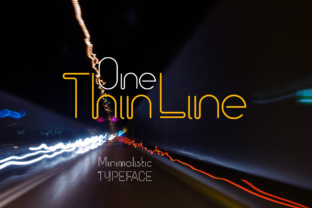
One Thin Line: The Art of Precision in a Chaotic World
There is a moment in almost every project, every decision, every creative process, where the difference between success and failure comes down to a single margin. That margin is often not wide or obvious. It is subtle, almost invisible. It is one thin line. Understanding where that line exists, when to respect it, and when to push against it can change how you work, create, and live.
One Thin Line is not a rigid formula or a one-size-fits-all solution. It is a way of thinking about boundaries, precision, and the small distinctions that separate effective work from wasted effort, clarity from confusion, and connection from indifference. Whether you are writing a blog post, designing a product, pricing a service, or trying to balance your time between work and family, that thin line is always there.
Where One Thin Line Shows Up in Everyday Work
For creators and marketers, one thin line often appears in the space between too much and too little. Think about the last time you wrote a headline. You wanted it to be compelling, but you also needed it to be honest. You wanted it to stand out, but you did not want it to feel clickbaity. That tension is not a problem to solve. It is a boundary to navigate. One thin line separates a headline that invites curiosity from one that triggers distrust. The same applies to email subject lines, social media captions, and even the tone of a customer reply.
Small business owners see this line every day in their pricing. Set it a little too high, and you risk alienating your most loyal customers. Set it a little too low, and you devalue your work and burn out. There is rarely a clear right or wrong number. Instead, there is a range, and within that range, one thin line separates sustainable pricing from guesswork. The difference often comes down to knowing not just your costs, but also the story your price tells about your value.
Freelancers encounter one thin line when they decide how much to customize a proposal. Too generic, and the client feels unseen. Too detailed, and the proposal becomes a free consultation that eats into your billable hours. The sweet spot is not in the middle. It is in understanding exactly where that line falls for each client and each type of work. That takes practice, observation, and a willingness to adjust.
The Thin Line Between Creative Freedom and Creative Waste
Artists, designers, writers, and other creative professionals often romanticize the idea of unlimited freedom. But real creative work thrives within constraints. One thin line separates productive exploration from endless iteration. When you give yourself too many options, you freeze. When you give yourself too few, you produce repetitive work. The line is not about how many options you have. It is about which constraints actually help you make better decisions.
Consider a photographer editing a series of images. The temptation is to adjust every detail until each photo feels perfect. But after a certain point, those adjustments stop improving the image and start removing its character. One thin line separates refinement from overwork. Knowing when to stop is not laziness. It is a form of discipline that respects the original intention of the work.
For bloggers and publishers, one thin line appears in the balance between writing for search engines and writing for real people. You want your content to be found, but you also want it to be read, shared, and remembered. The moment you prioritize keywords over clarity, your writing loses its voice. The moment you ignore keywords entirely, your work stays invisible. The line is not about choosing one side. It is about knowing where the reader's experience intersects with the mechanics of discovery.
One Thin Line in Learning and Education
Educators and lifelong learners face one thin line when designing or following a curriculum. Too much structure, and learners lose motivation. Too little structure, and they lose direction. The line is different for every subject and every learner. For someone learning a new language, one thin line might be the difference between practicing for fluency and practicing for perfection. Fluency allows mistakes. Perfection stops progress. The best learners and teachers recognize that line and adjust their approach accordingly.
In self-education, the same principle applies to how you choose resources. You can spend hours researching the best book, course, or tutorial, and in that time, you could have already started learning with a decent option. One thin line separates thoughtful preparation from procrastination disguised as planning. The key is to recognize when you have enough information to begin and then actually begin.
Workshop facilitators and online course creators also navigate this line when deciding how much content to include. Pack too much into a lesson, and learners feel overwhelmed. Include too little, and they feel underwhelmed. The line is not about the volume of content. It is about the sequence and relevance of each piece. Learners do not need everything at once. They need the right thing at the right time.
The Thin Line Between Personal and Professional
Entrepreneurs and freelancers often struggle with boundaries between work and personal life. One thin line separates being responsive from being available around the clock. When you reply to a client message at 10 p.m., you are not being dedicated. You are teaching that client that late-night replies are normal. The line is not about how much you work. It is about what your availability communicates. Over time, that communication shapes expectations on both sides.
For hobbyists who turn their passion into a side business, one thin line separates doing what you love from turning your hobby into a chore. When you monetize something you enjoy, the pressure to produce can drain the joy out of it. The line is often invisible until you cross it. The best safeguard is to regularly check in with yourself about why you started and whether that reason still matters to you.
In team settings, managers and leaders face one thin line between guiding a team and micromanaging. People want direction, but they also want autonomy. The difference is often not in what you say but in how you say it and how much space you leave for others to contribute. One thin line separates a leader who trusts their team from a leader who only pretends to.
What to Consider Before You Rely on One Thin Line
Applying the idea of one thin line requires more than just awareness. It requires context. The same line that works for one person in one situation might be completely wrong for someone else in a different situation. Before you use this concept to make a decision, ask yourself what constraints are actually relevant to your current situation. Are you optimizing for speed, quality, connection, or sustainability? The answer will shift where the line falls.
It also helps to recognize that one thin line is not static. It moves as you gain experience, as your audience changes, and as your goals evolve. What felt like a clear boundary last year might feel restrictive today. Revisiting your assumptions regularly is not a sign of inconsistency. It is a sign that you are paying attention to what is actually happening rather than what you expect to happen.
Another important consideration is your own bias. It is easy to convince yourself that the line you are comfortable with is the right line. But comfort is not always a reliable guide. Sometimes the line that leads to growth is the one that feels slightly uncomfortable at first. The goal is not to find a line that feels safe. It is to find a line that works for the outcome you actually want.
Practical Ways to Find and Use One Thin Line in Your Own Work
Start by paying attention to the moments where you feel stuck or uncertain. Those moments often signal that you are near a boundary but have not yet identified it. Instead of pushing harder, pause and ask what is actually at stake. Often, the line is not between good and bad but between two different kinds of good. Recognizing that can free you from the pressure of finding a perfect answer.
Another practical approach is to test the line by moving slightly in one direction and observing the response. If you are a marketer, try a slightly shorter email sequence. If you are a designer, try a version with fewer elements. If you are a teacher, try a lesson with less instruction and more space for exploration. Small adjustments reveal the line more clearly than big changes ever could.
Finally, talk to people who do similar work in different contexts. A freelancer in a different field might have a completely different sense of where the line falls between client demands and personal boundaries. Listening to their experience does not mean copying their approach. It means expanding your own sense of what is possible. One thin line is easier to see when you have more perspectives to learn from.