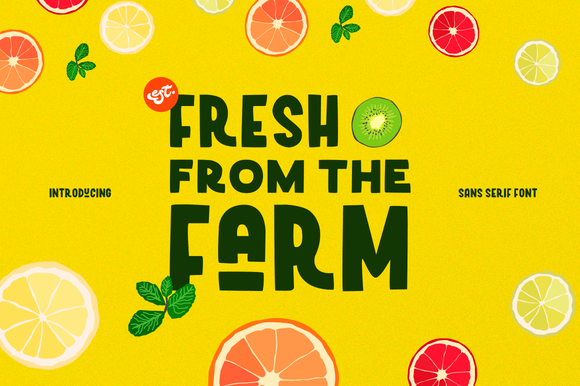
Fresh from the Farm: A Practical Guide to Farm-Fresh Living
If you have ever bitten into a tomato still warm from the sun or tasted eggs with yolks the color of autumn leaves, you already understand the appeal of food that hasn’t traveled far. Fresh from the Farm is more than a phrase—it represents a shift toward sourcing ingredients, products, and experiences directly from agricultural producers, bypassing long supply chains and industrial processing. For professionals, creators, entrepreneurs, and anyone juggling a busy life, this approach offers tangible advantages that go well beyond taste.
What Fresh from the Farm Actually Means
At its core, Fresh from the Farm describes goods that come straight from the grower or producer with minimal handling, storage, or time in transit. This can apply to fruits and vegetables, dairy, meat, honey, baked goods, handcrafted preserves, and even non-food items like flowers or wool. The concept is rooted in transparency—you know where your item came from, who grew it, and often how it was raised or harvested.
For the modern adult, especially those running businesses, managing teams, or balancing creative projects, this directness matters. It means fewer intermediaries, better traceability, and a connection to something real in an increasingly digital world. Whether you are a marketer looking for an authentic brand story or a freelancer wanting to eat better without spending hours shopping, Fresh from the Farm provides a straightforward solution.
Quality That Speaks for Itself
One of the most notable qualities of farm-direct items is their condition. Produce picked at peak ripeness, eggs from pasture-raised hens, and meat from animals raised with care simply taste better and retain more nutrients. This isn’t about luxury—it is about avoiding the compromises that come with long-distance shipping and extended shelf life requirements. For a busy parent or a professional cooking after a long day, starting with superior ingredients makes meals faster and more satisfying.
Seasonality as a Guide, Not a Limit
Rather than having the same fruits and vegetables year-round, Fresh from the Farm encourages eating with the seasons. This might sound restrictive, but it actually opens up variety. Spring brings tender greens and asparagus; summer overflows with berries and stone fruit; autumn offers squash, apples, and root vegetables. For bloggers and content creators, this natural cycle provides endless material—recipes, preservation tips, seasonal guides, and behind-the-scenes farm visits that engage audiences.
Direct Connection and Transparency
When you buy Fresh from the Farm, you often have the chance to talk to the person who grew your food. Farmers markets, community-supported agriculture (CSA) programs, and farm stands foster conversations about growing practices, varieties, and even cooking methods. For educators and business owners, this transparency builds trust. You can share the story behind a product with your own audience, reinforcing your brand’s values without resorting to marketing spin.
Personal Use: Better Eating, Less Complication
For individuals and families, incorporating farm-fresh goods into daily life is surprisingly straightforward. Start by identifying one or two local farms through online directories or social media. Join a CSA box program—you receive a weekly selection of whatever is ready, which challenges you to cook creatively and reduces decision fatigue. A freelancer working from home might keep a bowl of farm apples on the counter for snacks, while a busy entrepreneur can prep a week’s worth of meals from a single box of seasonal produce.
Professional Environments: Office Wellness and Team Culture
Business owners and managers can bring Fresh from the Farm into the workplace. Subscribing to a weekly farm delivery for the office kitchen replaces processed snacks with real food. This small change supports employee health, sparks conversations, and demonstrates a commitment to sustainability that resonates with clients and staff alike. A creative agency might even feature the farm’s story in a newsletter or on social media, adding authenticity to their brand voice.
Creative and Digital Content: Stories That Sell
Bloggers, video creators, and educators have a goldmine in farm-fresh content. Unboxing a CSA share, visiting a farm, comparing heirloom varieties, or showing the process of making jam from scratch all provide genuine, engaging material. Fresh from the Farm inherently has a narrative arc—the grower’s passion, the season’s rhythm, the transformation from field to table. This kind of content performs well because it is relatable, visual, and useful. A marketer can collaborate with a farm for a sponsored post that doesn’t feel forced, while a publisher can run a series on regional agriculture that readers actually look forward to.
Educational Settings: Hands-On Learning
For educators and workshop facilitators, farm-direct goods are excellent teaching tools. A cooking class using freshly picked ingredients teaches technique and resourcefulness. A business workshop on supply chain transparency can use a local farm as a case study. Even a simple lesson on where food comes from becomes memorable when you have a carrot with the dirt still on it. Fresh from the Farm bridges abstract concepts and tangible reality, which is exactly what adult learners need.
Commercial and Hospitality: Differentiation Through Authenticity
Restaurants, cafes, bed-and-breakfasts, and caterers can use Fresh from the Farm as a cornerstone of their offering. Menus that list the farm source for key ingredients—pickled beets from Riverbend Farm, eggs from Sunny Hill Pastures—create a sense of place and craftsmanship. This approach supports premium pricing and customer loyalty. A small cafe owner can rotate specials based on what the farm delivers, keeping the menu fresh and giving regulars a reason to return.
Usability and Time Efficiency
Contrary to the assumption that farm-direct requires more effort, many systems are designed for convenience. CSA pickups at central locations, online ordering with doorstep delivery, and subscription models simplify routine shopping. For a busy entrepreneur, this means one less errand each week. The produce itself often requires less prep—no plastic wrapping, no trimming of wilted edges, and better flavor that needs fewer seasonings.
Enhanced Communication and Branding
For anyone who communicates with an audience, Fresh from the Farm offers a ready-made angle. It signals thoughtfulness, health consciousness, and community support. A LinkedIn post about visiting a farm can humanize a corporate brand. A newsletter that opens with a note on what is currently ripening feels personal and timely. The authenticity is built in—you don’t have to create it from scratch.
Productivity Through Better Fuel
Nutrition directly affects focus, energy, and decision-making. Professionals who prioritize farm-fresh meals often report more stable energy levels and fewer post-lunch slumps. This isn’t about a strict diet—it is about consistently eating food that hasn’t been stripped of its nutritional value. A simple habit like swapping store-bought snacks for a farm-sourced apple with nut butter can make a difference over a work week.
User Experience in Physical Spaces
Retailers, event planners, and hospitality professionals can use farm-fresh elements to improve the physical environment. A hotel breakfast that features local yogurt and berries sets a positive tone for a guest’s stay. An event with a farm-to-table dinner creates a sensory experience that attendees remember. These touches elevate the user experience without requiring a complete overhaul of operations.
Evaluating Your Options
Not all farms offer the same level of quality or convenience. Look for farms that list their growing practices, whether certified organic or not. Visit a market or schedule a farm tour to see operations firsthand. Ask about delivery schedules, minimum orders, and how they handle seasonal gaps. For professionals, it is worth testing a few different sources before committing to a regular subscription.
Balancing Variety and Realistic Use
One common challenge with farm-direct is receiving more of one item than you can reasonably use. When you get five pounds of zucchini, you need a plan. Have a few go-to recipes for preserving, freezing, or repurposing. Trade extras with neighbors or colleagues. Over time, you will learn which farms align with your actual consumption patterns. The goal is to reduce waste, not create a new problem.
Integrating into Existing Routines
Start small. Replace one weekly grocery run with a farm stop or a CSA box. Observe how it changes your cooking, your budget, and your time. If it works, expand. If a particular farm consistently delivers items you don’t use, switch to a smaller share or a different source. The flexibility of Fresh from the Farm models is a strength—most farmers appreciate repeat customers and are willing to adjust.
Building Relationships for Long-Term Value
Over time, the connections you build with growers become valuable assets. Farmers can alert you to special harvests, offer bulk pricing, or even grow something specific for your business. For a restaurant owner or a food blogger, these relationships provide exclusive access and stories that differentiate your work. Treat the farmer as a partner, not a supplier, and the benefits multiply.
Final Thoughts on Making It Work
Adopting a Fresh from the Farm approach doesn’t require a lifestyle overhaul. It is a practical decision that pays dividends in taste, health, convenience, and authenticity. Whether you are a parent packing lunches, a marketer crafting brand narratives, or an entrepreneur running a hospitality business, the same principle applies: start with better inputs, and everything downstream improves.
The real value lies not in the novelty but in the consistency. Over weeks and months, the small habit of choosing farm-direct goods builds into a foundation of quality that you can feel in your energy, see in your work, and share with your community. That is a return worth harvesting.